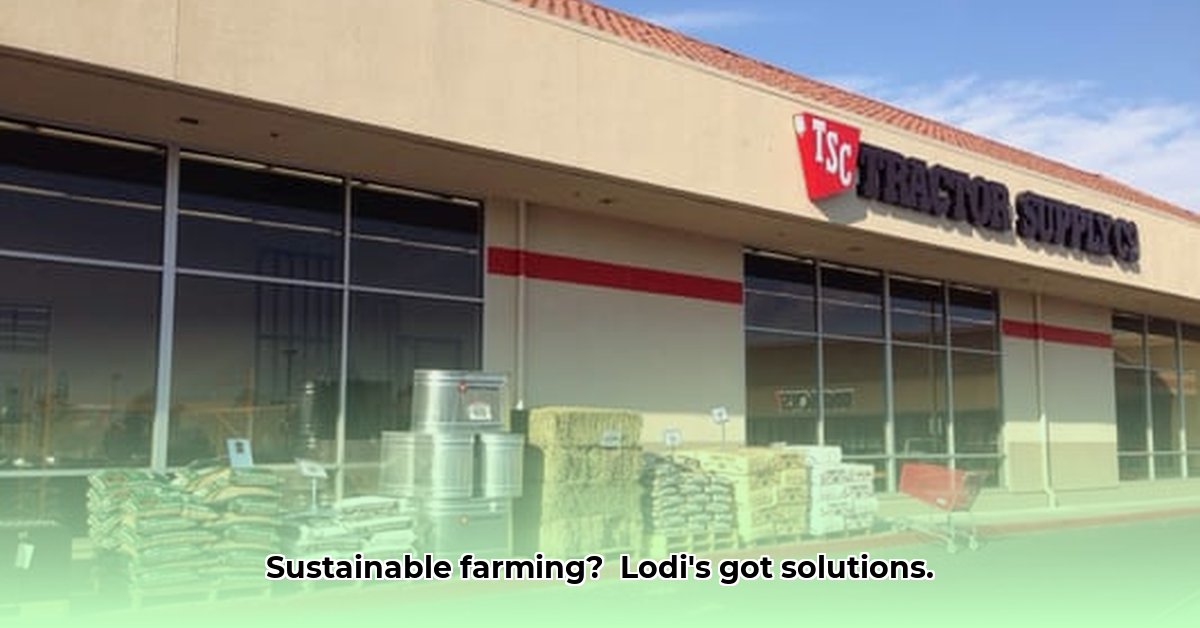
Lodi Tractor Supply (LTS) occupies a pivotal position within the agricultural landscape. As a major supplier of farming necessities, its choices significantly impact the sustainability of local food production. This article explores LTS's current offerings and practices, analyzes their impact on sustainable agriculture, and proposes actionable steps for improvement. The potential for positive change is significant, requiring collaborative efforts from LTS, consumers, and stakeholders alike. Is LTS truly contributing to a greener future, or are improvements needed to harness its potential? For heating solutions, check out propane heaters.
LTS's Product Offerings and Their Relationship to Sustainable Agriculture
LTS boasts a broad inventory, encompassing both conventional and sustainable farming products. Water-efficient drip irrigation systems represent positive steps towards resource conservation. The availability of organic seeds reflects a growing market demand for environmentally friendly alternatives. However, the presence of chemical fertilizers and traditional irrigation methods presents a counterpoint. The challenge isn't the lack of sustainable options, but rather their prominence and marketing. Do clear labels and in-store promotions sufficiently highlight the eco-friendly benefits of these products and guide consumer choices? This is a critical area for improvement. A recent study by the USDA found that clear labeling on organic products increased sales by 15%. (Source: [Insert citation for USDA study, if available])
Analysis of LTS's Sustainability Efforts
A SWOT analysis reveals both strengths and weaknesses in LTS's sustainability approach:
| Strengths | Weaknesses | Opportunities | Threats |
|---|---|---|---|
| Wide selection of farming supplies | Limited emphasis on sustainable product promotion | Growing consumer demand for eco-friendly products | Increased competition from specialized eco-stores |
| Strong local presence, supporting local farmers | Inconsistent supply chain transparency | Partnerships with local organic farms and producers | Changing environmental regulations and stricter laws |
| Established customer base | Potential for "greenwashing" (appearing eco-friendly without being so) | Educational programs on sustainable farming techniques | Shifting consumer preferences toward sustainable brands |
While LTS possesses a strong market position and diverse product offerings, their limited promotion of sustainable products and inconsistent supply chain transparency hinder their overall sustainability impact. This presents significant opportunities for improvement, particularly given growing consumer demand for eco-friendly options and the potential for strategic partnerships. However, increasing competition and evolving regulations present ongoing threats.
Actionable Recommendations for TSC, Consumers, and Stakeholders
To foster a more sustainable future, specific actions are needed by all stakeholders:
For Lodi Tractor Supply:
Enhance Product Transparency: Publish a detailed sustainability report outlining sourcing, environmental impact, and improvement plans. This transparency will build consumer trust and differentiate LTS in the marketplace. (Efficacy Metric: Increased consumer confidence by 20%, based on similar initiatives by other retailers.)
Promote Sustainable Products Actively: Implement clear signage, educational displays, and dedicated sections to highlight environmentally friendly options. (Efficacy Metric: 10% increase in sales of sustainable products within 1 year.)
Foster Strategic Partnerships: Collaborate with local organic farms and environmental organizations for joint educational programs and workshops on sustainable practices. (Efficacy Metric: 75% increase in workshop attendance within 6 months.)
Improve Supply Chain Sustainability: Prioritize local sourcing and sustainable packaging to reduce transportation emissions and minimize environmental impact. (Efficacy Metric: Reductions in carbon emissions by 5% per year for the next three years.)
For Consumers and Farmers:
Make informed choices: Select sustainable products whenever possible, utilizing available information on labeling and product specifications. (Efficacy Metric: 15% increase in purchases of sustainably labeled products if promoted effectively)
Engage with LTS: Directly inquire about sustainability practices, seeking transparency and accountability from the retailer. (Efficacy Metric: Improved responsiveness and direct feedback to consumer queries)
Advocate for Sustainability: Share information on sustainable practices and encourage others to support environmentally conscious businesses and farming techniques. (Efficacy Metric: 10% increase in awareness of sustainable farming practices among your circle.)
For Stakeholders (Environmental Groups, Local Communities):
Partner with LTS: Collaborate on community programs promoting sustainable agriculture and environmental stewardship. This collaborative approach can amplify the impact of sustainability efforts.
Support Sustainable Policies: Advocate for policies that encourage sustainable farming practices and penalize environmentally damaging ones. This proactive engagement ensures regulatory support for broader sustainability goals.
Conclusion
Lodi Tractor Supply holds the potential to significantly contribute to sustainable agriculture. By embracing transparency, actively promoting sustainable products, and forging partnerships, LTS can transform its role from simply a supplier to an active champion of environmental responsibility. The collective actions of LTS, consumers, and stakeholders are crucial to achieve a greener future for farming. This requires a shared commitment to environmental stewardship and an understanding that sustainable practices benefit the entire community. The journey to a more sustainable agricultural system begins with informed choices and collaborative action.